Bilingual labelling is one of the most frequently underestimated requirements for brands entering the Canadian market. It’s not optional, it’s not limited to Quebec, and it applies to every consumer-facing element of your packaging.
What Must Be Bilingual
Under the Consumer Packaging and Labelling Act and the Cosmetic Regulations, the following elements must appear in both English and French:
- Product identity - The common name of the product (e.g., “Moisturizing Face Cream / Crème hydratante pour le visage”)
- Net quantity - The amount in metric units (mandatory) with imperial as optional supplement
- Ingredient list - INCI names are internationally standardized, so the ingredient list itself is typically compliant. However, the heading “Ingredients / Ingrédients” must be bilingual.
- Directions for use - If included, must be in both languages
- Cautions and warnings - All safety information must be bilingual
- Dealer name and address - The Canadian importer or distributor information
What Can Remain in One Language
Brand names, trademark names, and decorative text that doesn’t convey mandatory information can remain in a single language. However, if your brand name could be construed as a product descriptor, it may need translation.
Practical Approaches
International brands typically handle bilingual requirements in one of three ways:
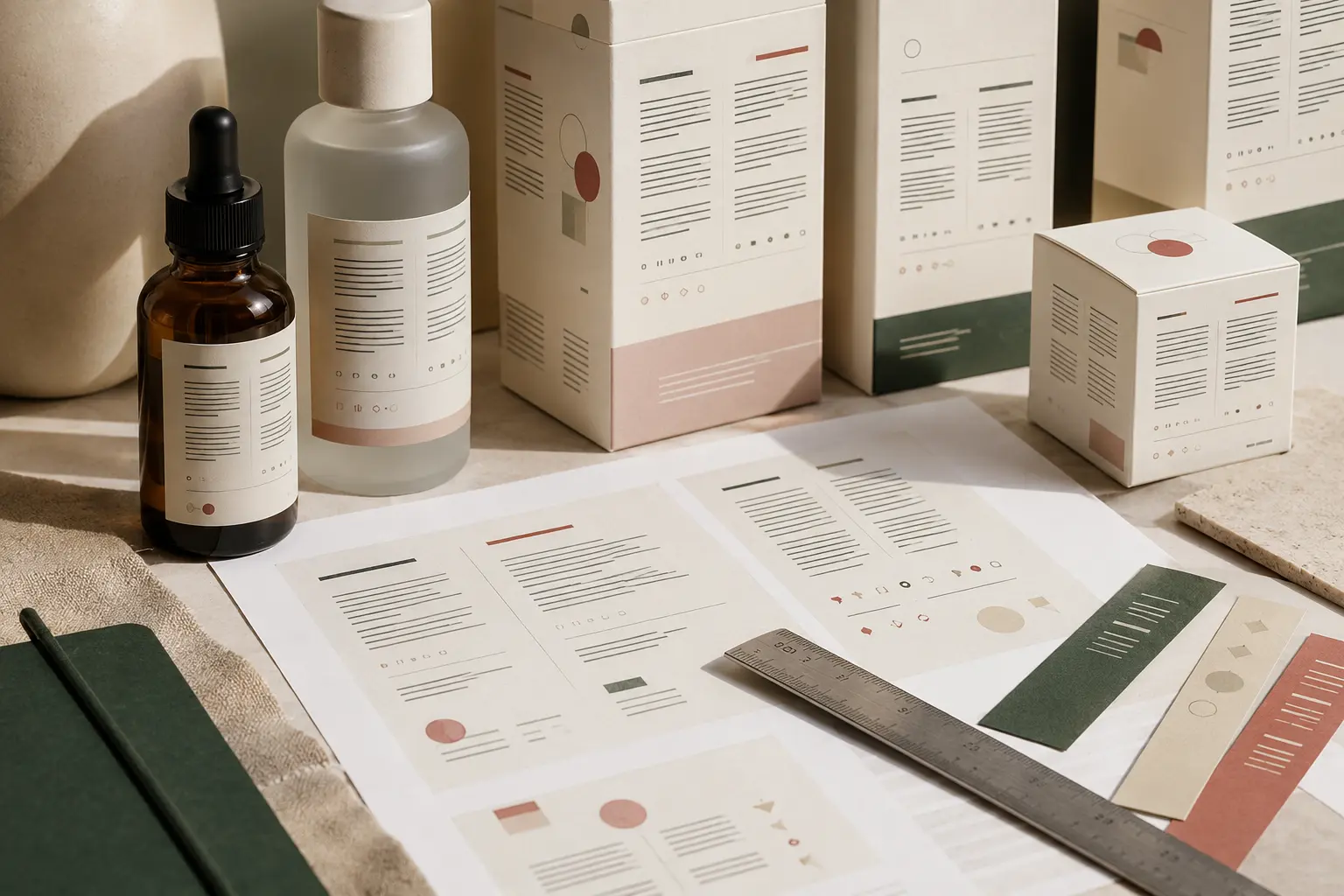
Canada-specific packaging: A separate packaging run with bilingual text. Higher upfront cost but the cleanest result. Ideal for brands with sufficient volume to justify the run.
Bilingual sticker overlays: Adhesive labels applied to existing packaging that contain all required bilingual information. Cost-effective for smaller quantities and market testing. Must be professionally printed and securely affixed.
Universal bilingual packaging: Redesigning global packaging to include English and French across all markets. Works well for brands primarily selling in English-speaking markets where adding French doesn’t create clutter.
Common Mistakes to Avoid
Machine-translated French is immediately apparent to Francophone consumers and inspectors. Always use professional translation services with experience in cosmetic and regulatory terminology. A poorly translated label doesn’t just risk non-compliance - it undermines brand credibility in a market where language is deeply tied to cultural identity.
At High Street Maison, we coordinate bilingual labelling as part of our onboarding process. We work with specialized translation services and review every label for regulatory compliance before products reach retail shelves.